No MOQ Custom Cabinetry: A Practical Guide for Small-Batch Buyers
What no minimum order quantity actually means when buying custom wardrobes and kitchen cabinets from a Foshan supplier, and how to brief a small order properly.
- No MOQ means a single wardrobe, one kitchen, a sample or a repeat top-up is treated as a normal order, not an exception.
- It suits interior designers, small developers, dealers testing a new line and projects that need phased deliveries.
- A small order still needs a complete brief: drawings, dimensions, board choice, finish, quantity, destination and target date.
- REMUCH confirms every open specification in writing before production; on-site measuring and installation are outside our scope.
What "no MOQ" actually means
No MOQ (no minimum order quantity) custom cabinetry is an ordering model in which a buyer can place an order for a single made-to-measure item — one wardrobe, one kitchen, one sample — without committing to a container or a volume threshold. At REMUCH, sample orders, single-room orders and repeat top-ups are all normal orders on our cabinetry lines. The specification is still project-specific: cabinetry is produced against your drawings, dimensions and the details confirmed in writing before production.
No MOQ is a production-scheduling decision, not a promotion. It changes how an order enters the schedule, not what has to be specified. A one-piece order still needs the same drawing review and material confirmation as a multi-unit one.
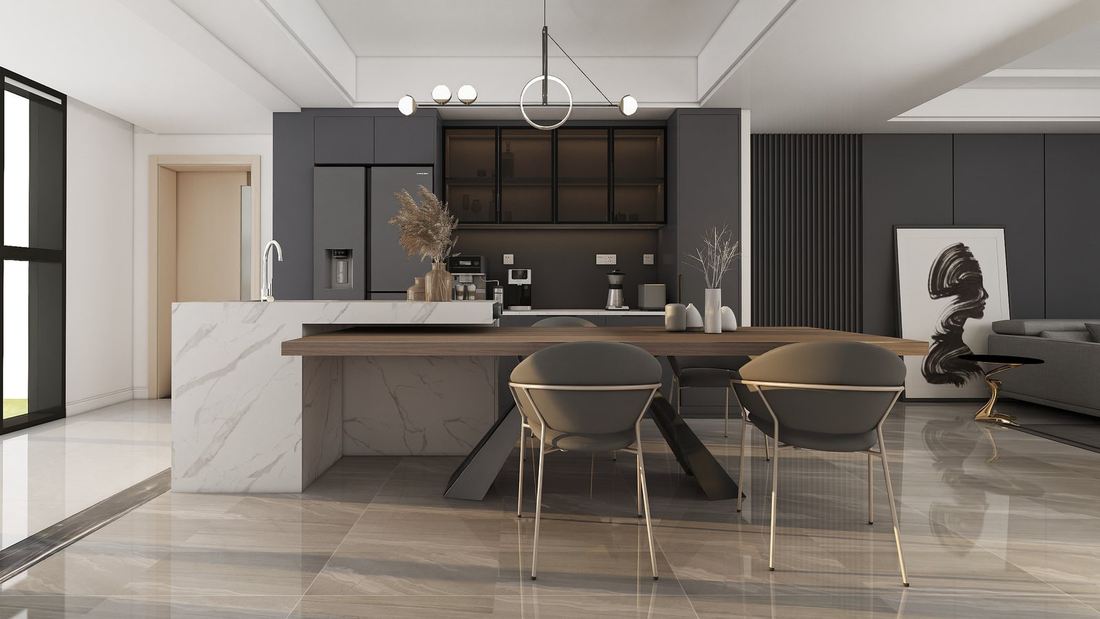
Who benefits most from small-batch ordering
Interior designers and specifiers
A designer fitting out one apartment or a single client room often cannot justify a volume minimum. A no-MOQ programme lets the joinery be specified to the actual room dimensions instead of being adapted to a standard-size catalogue item.
Developers and contractors with phased projects
Where units are handed over in stages, ordering room by room or phase by phase keeps deliveries aligned to the site programme. Repeat orders can reuse the confirmed specification so later batches stay consistent.
Furniture dealers testing a line
A dealer can order one display wardrobe or a sample kitchen, check the finish and build, then place repeat orders. That is a lower-risk way to validate a product before committing shelf space or stock.
What to include in a small-batch enquiry
The smaller the order, the more important a complete brief becomes — there is no volume to absorb an unclear detail. Send what you have; a sketch is a valid starting point.
| Field | Why it matters |
|---|---|
| Product line and item type | Determines which production family and specification sheet applies |
| Drawings, dimensions or a sketch | The basis of the written quotation and made-to-drawing production |
| Board preference | Plywood (multi-layer) or particle board; thickness, grade, facing and edge treatment are confirmed per project |
| Finish, door or front style | Configured per project and matched across categories in the same order |
| Quantity and delivery phasing | Even with no MOQ, quantities shape packing and loading guidance |
| Destination and target date | Feed into the packing method, shipment planning and the confirmed 30–60 day cabinetry window |
| Drawings or mood references | Style direction can be shortlisted from the 254 design references in our gallery |
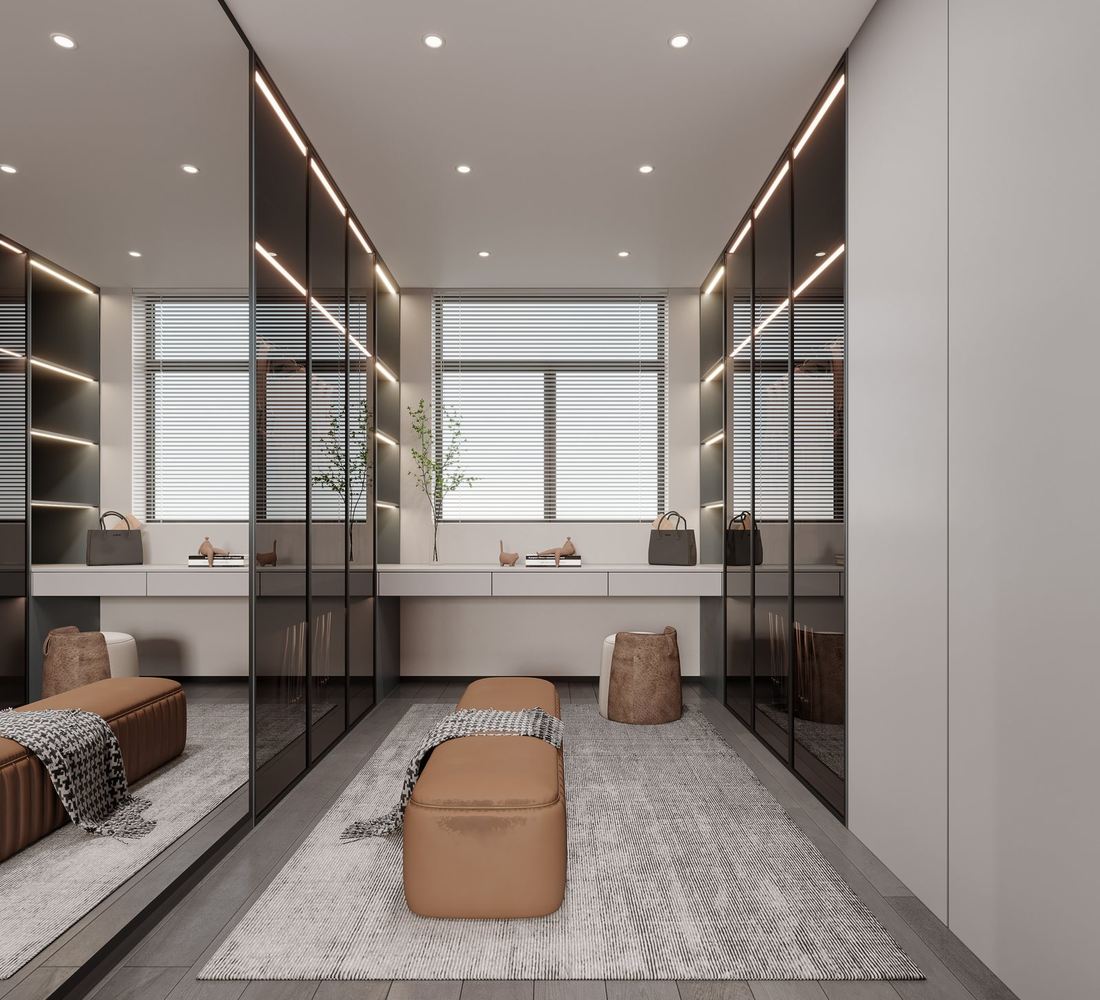
Keeping a small order efficient
- Finalise the drawing before production. Changes after confirmation are the most common cause of delay on any custom order, large or small.
- Reuse a confirmed specification. A repeat order referencing an earlier board, finish and hardware decision needs less back-and-forth.
- Consolidate categories deliberately. Wardrobes, kitchen cabinets, interior doors and wood wall panels belong to one board-based production family and can be coordinated in one commercial order. Aluminium windows are a separate metal-and-glass line with their own quotation.
- State the destination market early. Where a project requires specific environmental grades, test reports or window certifications, raise the requirement during quoting so it can be confirmed in writing rather than assumed.
- Plan the shipment, not just the item. Packing method, loading guidance and container planning are discussed against your order.
From enquiry to shipment
Our process is deliberately short: send your drawings → receive a written quotation with open details confirmed → confirm materials and finishes → production and packing within the 30–60 day cabinetry window. Aluminium windows are quoted separately because they belong to a different production line.
All imagery on this site is 3D design reference material used to illustrate layouts and styles. It is not photography of delivered projects, and no client or project names are attached to it. We do not publish project counts or unverified capacity figures; if a figure matters to your purchasing decision, ask for it in writing with evidence.
Frequently asked questions
Is there any hidden minimum for a first order?
No. There is no minimum order quantity on our cabinetry lines. A single wardrobe, one kitchen, a sample or a repeat top-up can all be ordered.
Does no MOQ mean the specification is simplified?
No. Made-to-drawing production and written confirmation of open details apply to every order regardless of size.
Can I mix product categories in one small order?
Wardrobes, kitchen cabinets, interior doors and wood wall panels can be coordinated in one commercial order. Aluminium windows are a separate production line and are quoted separately, though they can be consolidated commercially.
Do you measure or install on site overseas?
No. On-site measuring and installation are outside our scope. Packing and fixing details are confirmed in writing with your order.
How long does a small order take?
The confirmed cabinetry lead time is 30–60 days. The exact start point and schedule for your order are stated in the quotation.